

The Future of Postage: Modern Challenges Facing Forever Stamps
Forever Stamps—postage stamps issued by the USPS that remain valid for mailing a standard first-class letter regardless of future price increases—are navigating a fascinating yet highly challenging landscape in the digital age. While traditionally discussed through a historical lens, these stamps face unique, forward-looking obstacles in 2026 and beyond. This point-to-point analysis highlights the primary challenges threatening their future.
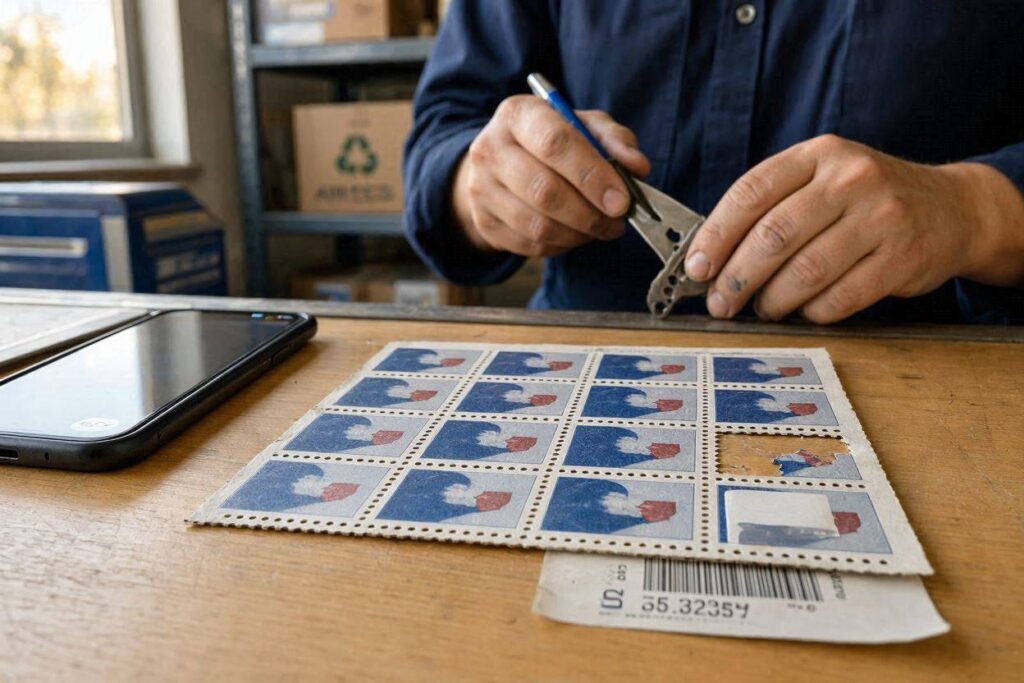
- The Digital Transition & Gen-Z Disconnect
- Virtual Reality vs. Physical Mail: As people connect in virtual spaces and metaverses, the necessity of physical mail continues to plummet, threatening the core relevance of Forever Stamps.
- The Gen-Z Disconnect: Younger generations rarely use physical envelopes. To them, a ‘stamp’ is a digital sticker or an Instagram filter. Rebranding Forever Stamps as ‘vintage collectibles’ is a tough marketing battle.
- E-Commerce vs. Flat-Rate Growth: While e-commerce is booming, it relies heavily on parcel shipping rather than the standard letters that Forever Stamps are designed for.
- The Inflation Paradox & Pricing Pressures
- The ‘Forever’ Promise vs. Market Reality: The foundational rule of these stamps is USPS’s biggest challenge. A stamp bought in 2010 for $0.44 still delivers a letter today, despite soaring operational costs. Managing this widening margin is a major financial strain.
- Frequent Rate Hikes & Hoarding: Rapid price increases encourage consumer hoarding. People buy bulk stamps at lower rates to avoid future hikes, which temporarily hurts USPS’s immediate revenue streams.
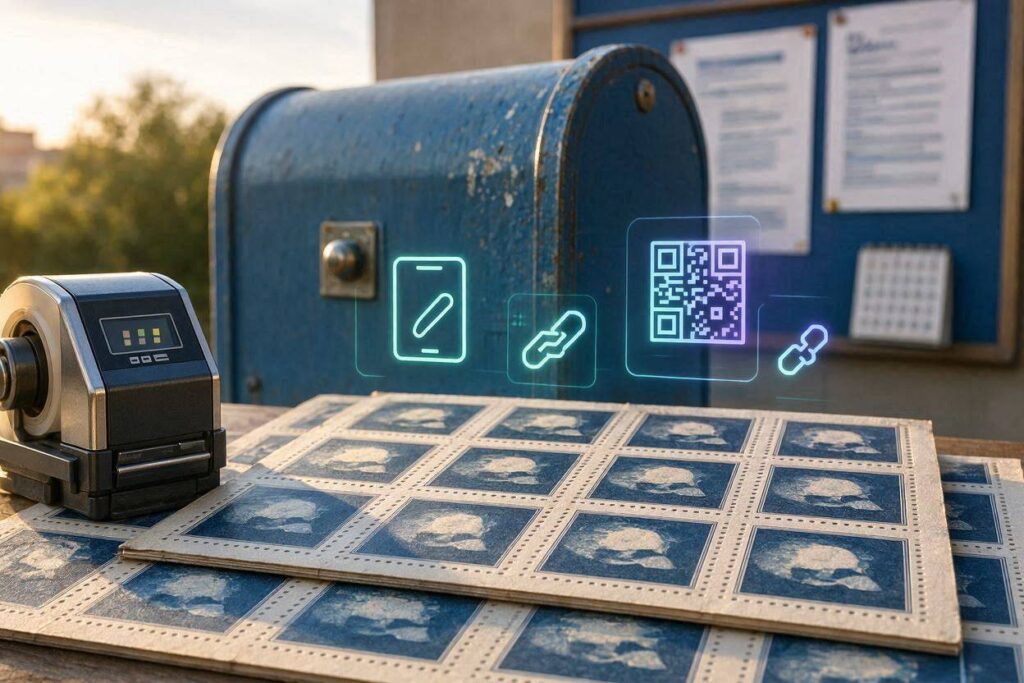
- The Rise of High-Tech Counterfeiting & Online Scams
- High-Tech Counterfeiting: Modern 3D printers and advanced offset printing have made producing highly convincing counterfeit stamps alarmingly easy.
- Bulk Discount Scams: Shady online storefronts and social media marketplaces frequently advertise ‘50% off Forever Stamps.’ These are usually bulk counterfeits printed overseas, costing USPS millions annually.
- Detection Tech Lag: Current postal sorting and scanning systems lack the advanced tech required to catch every counterfeit stamp, leaving the system vulnerable.
- Green Postage & Eco-Friendly Material Challenges
- Eco-Friendly Adhesives: Developing biodegradable, non-toxic adhesives that remain effective over decades is a persistent chemical challenge.
- Sustainable Paper Sourcing: Adhering to strict deforestation and carbon footprint regulations makes sourcing high-quality, eco-friendly stamp paper increasingly expensive.
- Recycling Hurdles: Adhesive residue and the plastic backing sheets used for self-adhesive stamps complicate the paper recycling process.
- Integrating Smart Tech: NFC, QR Codes & Blockchain
- Paper vs. Smart Tech: Incorporating NFC chips or dynamic QR codes would combat counterfeiting but dramatically increase production costs.
- Blockchain Integration: Creating a digital ledger to assign a unique identity to every physical stamp is technically viable but requires massive upfront infrastructure investment.
- Cultural Representation & Licensing Hurdles
- Designing for a Polarized Audience: Stamps feature historic figures, art, and cultural milestones. In today’s highly polarized climate, selecting universally accepted themes has become a delicate social and political task.
- Intellectual Property (IP) Rights: Featuring iconic pop culture figures (like Disney characters or sports stars) requires expensive licensing agreements, further eating into slim margins.
- Declining Mail Volumes & Postal Infrastructure Cuts
- Volume Shrinkage: First-class mail volumes decline every year. Without letters to mail, the functional necessity of stamps faces extinction.
- Post Office Closures: Rural post office closures limit physical access to stamps, shifting the burden entirely to digital sales channels.
- The Evolution & Decline of Stamp Collecting (Philately)
- A Dying Breed of Collectors: Traditional stamp collectors are aging out, and younger generations show little interest in philately.
- Loss of Resale Value: Limited-edition Forever Stamps no longer appreciate in value as they once did, diminishing the hobby’s appeal.
While Forever Stamps revolutionized the postage industry, surviving the digital, high-inflation, and counterfeit-heavy landscape of 2026 demands continuous adaptation. They are no longer just paper squares, but some of the last surviving artifacts of physical human connection.