

In an era dominated by digital communication and automated shipping systems, physical postage stamps might seem like relics of the past. However, Forever Stamps—specifically those issued by the United States Postal Service (USPS)—have quietly evolved into a highly targeted financial asset. Because Forever Stamps retain their value indefinitely and protect users against future rate hikes, they act as a form of non-inflationary paper currency.
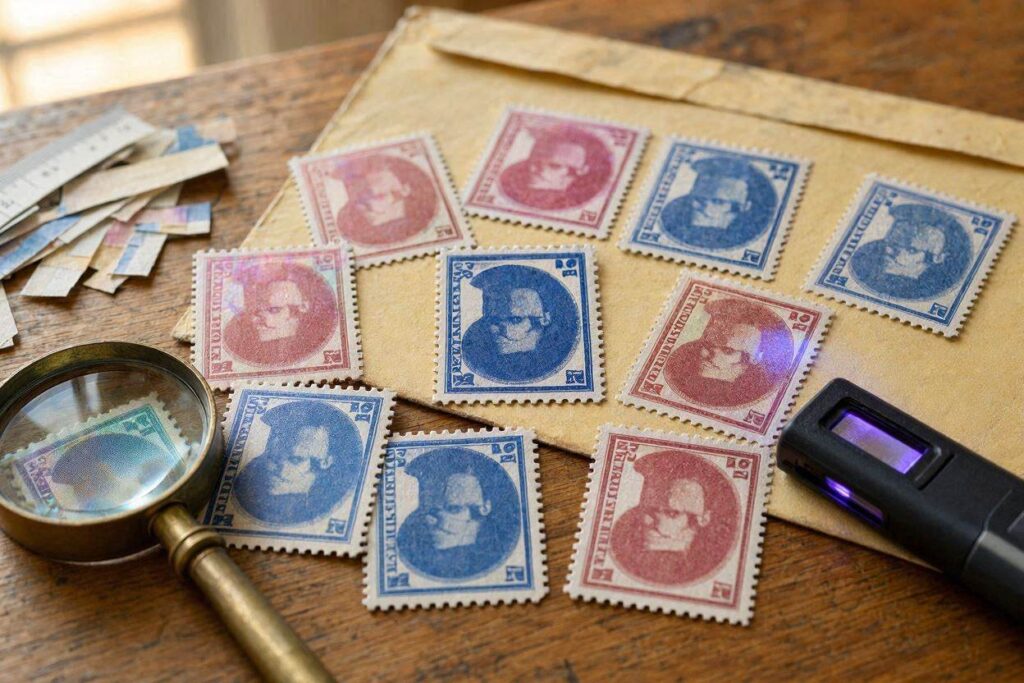
This stable value proposition has fueled a massive, underground market for Counterfeit Forever Stamps. Manufactured primarily in sophisticated overseas facilities and distributed globally through digital channels, counterfeit postage has cost postal authorities hundreds of millions of dollars in lost revenue. For businesses, e-commerce brands, and direct-mail marketers, this surge in sophisticated counterfeits presents dangerous operational, financial, and legal challenges.
1. Emerging Challenges in the Battle Against Counterfeit Postage
The fight against fake postage has entered a highly complex phase. Scammers no longer rely on blurry color photocopies; instead, they exploit global supply chains and advanced digital platforms.
* Challenge 1: The “Too-Good-To-Be-True” E-Commerce Exploit
Counterfeiters have built highly polished online storefronts, taking advantage of social media marketplaces, third-party vendor platforms, and search engine ads.
- The Tactics: These fraudulent sites advertise rolls or sheets of authentic-looking Forever Stamps at steep discounts, typically 20% to 50% off the face value.
- The Reality: Because USPS and its authorized retailers never sell Forever Stamps below face value (except for minuscule wholesale discounts of less than a few cents per roll), these listings are virtually always fake. The professional appearance of these websites easily tricks budget-conscious small businesses.
* Challenge 2: Advanced Micro-Printing and UV Mimicry
Modern counterfeit stamps are no longer easily identified by the naked eye.
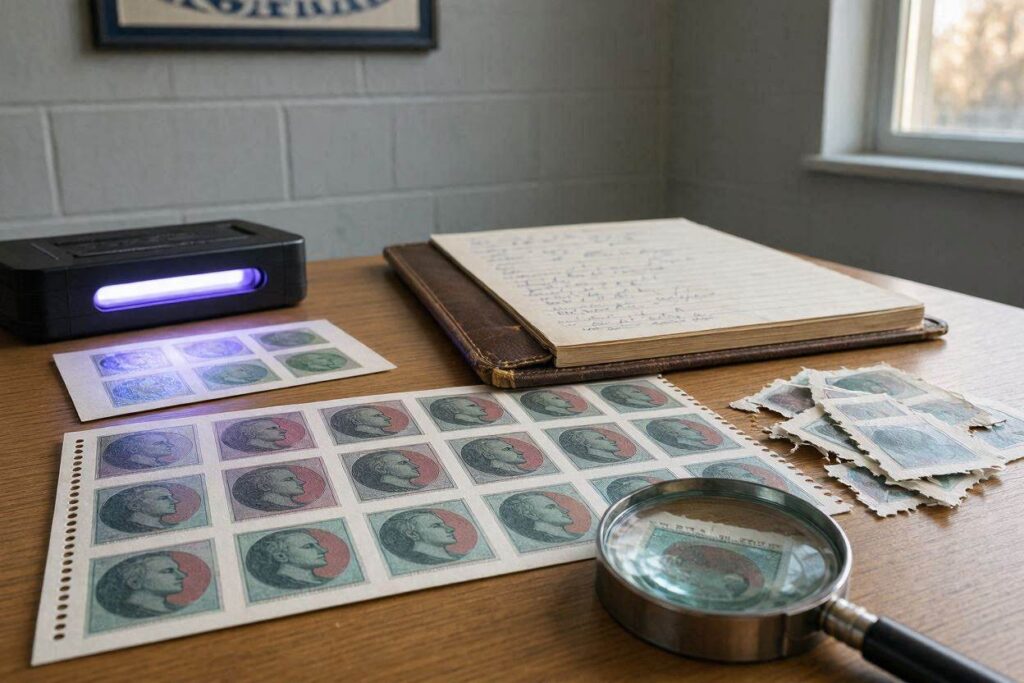
- The Tactics: Counterfeit operations have upgraded their printing presses to replicate intricate security features. They use high-resolution micro-printing and apply fluorescent taggant inks that attempt to mimic the UV phosphorescent properties of real stamps.
- The Reality: While the printing quality of some seized batches remains poor under close inspection, the gap is narrowing rapidly. This makes it difficult for consumers—and even average retail employees—to spot the difference without professional optical and ultraviolet screening equipment.
* Challenge 3: “Work-From-Home” Reshipping Scams
To shield themselves from law enforcement, international counterfeiting rings deploy localized “reshipping” networks.
- The Tactics: Fraudsters recruit unsuspecting individuals through fake remote jobs. These “reshippers” receive packages of stolen goods, apply counterfeit shipping labels or fake high-denomination stamps, and send them out.
- The Reality: By decentralizing the mailing process, criminals prevent large, suspicious batches of counterfeit postage from originating from a single IP address or physical location, making tracking highly difficult for postal inspectors.
* Challenge 4: Rigid “Abandoned Mail” Legal Frameworks
To combat the epidemic, postal services have updated their operational rules with severe consequences for shippers.
- The Tactics: Under revised domestic mail regulations (such as those enforced by the USPS), any package or letter identified with counterfeit postage is considered abandoned.
- The Reality: The postal service will not return these packages to the sender, nor will they deliver them to the recipient. Instead, they are seized and destroyed. For an e-commerce business using these stamps (even unknowingly), this results in lost inventory, chargebacks, and devastated customer relationships.
* Challenge 5: Massive International Cargo Smuggling
The sheer volume of counterfeits arriving at international processing ports of entry is staggering.
- The Tactics: Customs and Border Protection (CBP) officers routinely seize massive commercial cargo containers originating from East Asia stuffed with rolls of counterfeit stamps.
- The Reality: Despite frequent seizures of hundreds of thousands of stamps at a time, the high-profit margin of printing paper assets allows counterfeiters to treat these seizures as a minor cost of doing business, continually flooding the market with newer batches.
2. Dynamic Point-to-Point Defense Strategies for Businesses
Using counterfeit postage is a federal crime that carries heavy penalties, regardless of whether the buyer knew the stamps were fake. Organizations must implement strict internal protocols to secure their supply chain.
* Strict Sourcing Protocols (Authorized Providers Only)
- Action: Never buy postage stamps from unauthorized third-party platforms, social media ads, or discount sites.
- Defense: Only purchase through Approved Postal Providers™. This includes official Post Office locations, the official USPS website, or reputable major retailers with direct postal agreements.
* Spotting Physical Discrepancies
- Action: Educate fulfillment and mailroom staff to run physical quality checks on bulk stamp rolls.
- Defense: Look for red flags such as poor cutting alignment, a lack of distinct perforations (die-cuts), paper that is unusually thick or thin, or an oily, hyper-glossy finish. Be highly suspicious of any modern rolls of 100 stamps that lack the official backing paper or packaging layout.
* Transition to Digital Metering and PC Postage
- Action: Phase out physical adhesive stamps for business-level shipping and mailing operations.
- Defense: Transition entirely to digital postage meters or PC Postage software (e.g., Pitney Bowes, Endicia, Stamps.com). These platforms generate encrypted, dynamic, trackable 2D barcodes that cannot be easily counterfeited or rejected by automated postal scanners.
* Leverage the Counterfeit Postage Reporting System (CPRS)
- Action: Actively report suspicious discount stamp sellers or questionable mail items.
- Defense: Use secure official reporting channels (like the USPS CPRS platform) to flag suspect websites. This helps law enforcement seize fraudulent domains and trace the bulk distributors before they infect the broader commercial supply chain.
3. Real vs. Counterfeit Forever Stamps: Visual and Tactical Comparison
To protect your organization from receiving confiscated inventory, mailroom managers should reference the following comparison metrics:
| Attribute | Authentic Forever Stamps | Counterfeit Forever Stamps |
| Pricing | Sells strictly at official face value (GRI-matched). | Sold at steep discounts (20% to 80% off retail). |
| Source | Post offices, authorized banks, reputable grocery chains. | Discovered via social media ads, auction sites, cheap wholesale storefronts. |
| Under UV Light | Glows with a uniform, distinct green/red phosphorescent taggant. | Typically has no reaction or glows with a dull, bluish fluorescent glare. |
| Print Quality | Flawless, razor-sharp micro-text and crisp detail. | Often displays blurry edges, off-register colors, or minor text distortions. |